Skin concerns like acne, dark spots, and pigmentation affect people of all ages. While conventional treatments often rely on strong chemicals, many individuals are now turning toward organic skin care for a gentler, safer, and more sustainable solution.
If you’re struggling with breakouts or uneven skin tone, understanding how natural and organic ingredients work can help you build a routine that supports long-term skin health without harsh side effects.
Why Consider Organic Skin Care?
Organic skin care products are formulated with plant-based, naturally derived ingredients that are typically free from:
- Synthetic fragrances
- Harsh preservatives
- Sulfates and parabens
- Artificial colorants
This makes them especially beneficial for sensitive, acne-prone, or reactive skin.
Unlike aggressive chemical treatments that may temporarily suppress symptoms, organic skin care often focuses on restoring balance, supporting the skin barrier, and reducing inflammation naturally.
Understanding Acne and Pigmentation
Before choosing products, it’s important to understand what you’re treating.
Acne
Acne develops due to factors such as:
- Excess oil production
- Clogged pores
- Bacterial growth
- Hormonal fluctuations
- Inflammation
Pigmentation
Pigmentation issues commonly include:
- Post-acne marks
- Sun-induced dark spots
- Uneven skin tone
- Melasma or hyperpigmentation
These typically arise from excess melanin production, often triggered by inflammation or UV exposure.
Interestingly, acne and pigmentation are frequently connected — breakouts often leave behind stubborn dark spots.
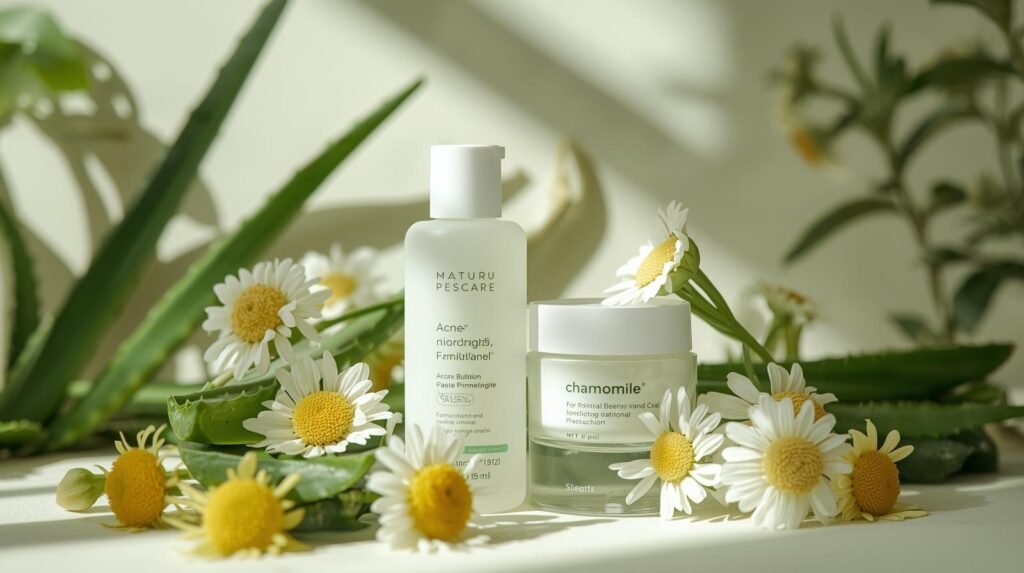
Key Benefits of Organic Skin Care for Acne
Organic products can help manage acne by targeting its root causes gently.
✅ Reduced Irritation
Many synthetic acne products over-dry the skin, leading to more oil production. Organic alternatives tend to be less disruptive to the skin barrier.
✅ Natural Anti-Inflammatory Action
Plant-based ingredients often calm redness and swelling without triggering sensitivity.
✅ Balanced Oil Control
Instead of stripping oils, natural formulations help regulate sebum production.
Key Benefits for Pigmentation and Dark Spots
Organic ingredients can gradually improve skin tone by supporting natural renewal processes.
✅ Gentle Brightening
Certain botanical extracts help reduce the appearance of dark spots without aggressive bleaching.
✅ Support for Skin Repair
Natural antioxidants protect against environmental stressors that worsen pigmentation.
✅ Safer for Long-Term Use
Organic brightening routines are often suitable for extended use without damaging skin.
Powerful Organic Ingredients for Acne-Prone Skin
When selecting products, look for proven natural ingredients:
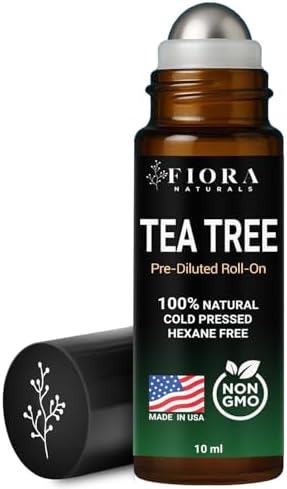
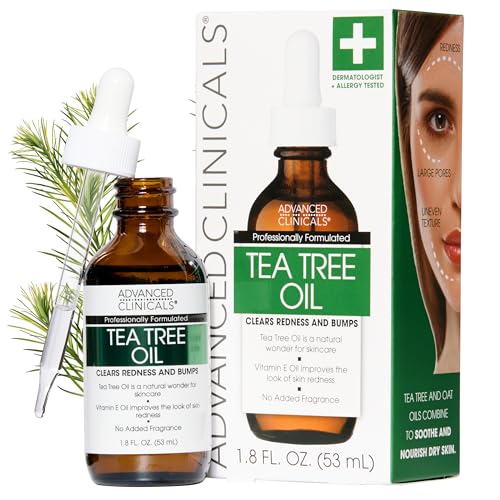
🌿 Tea Tree Oil
- Naturally antibacterial
- Helps reduce acne-causing microbes
- Can minimize active breakouts
🌿 Aloe Vera
- Soothing and hydrating
- Reduces redness and irritation
- Supports healing
🌿 Neem Extract
- Traditionally used for skin purification
- Helps manage oily and acne-prone skin
🌿 Green Tea
- Rich in antioxidants
- Helps calm inflammation
Organic Ingredients That Help with Pigmentation
For uneven tone and dark spots:
🌿 Licorice Root Extract
- Known for natural brightening properties
- Helps improve dull or uneven skin
🌿 Rosehip Oil
- Supports skin regeneration
- May help reduce appearance of scars
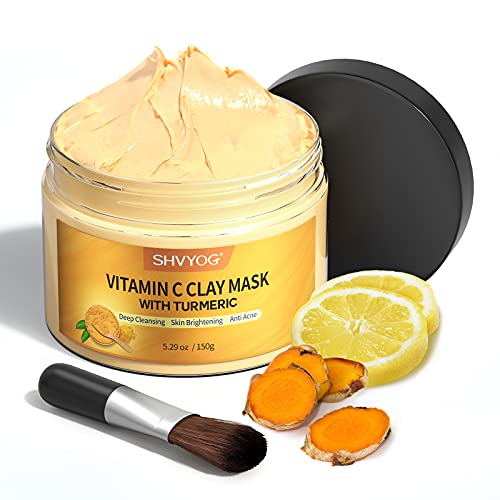
🌿 Turmeric
- Traditionally valued for skin radiance
- Helps calm inflammation linked to discoloration
🌿 Vitamin C (Natural Sources)
- Promotes brighter complexion
- Supports collagen production
Certain products listed here are primarily available in the United States.



Building an Organic Skin Care Routine
Consistency matters more than complexity. A simple routine can deliver excellent results.
1️⃣ Gentle Cleanser (Morning & Night)
Choose a non-stripping, sulfate-free cleanser that removes dirt and oil without drying the skin.
✔ Helps prevent clogged pores
✔ Maintains skin balance
2️⃣ Hydrating Toner or Mist
Look for ingredients like rose water or aloe vera.
✔ Refreshes skin
✔ Prepares skin for treatments
3️⃣ Treatment Products
For acne:
- Tea tree-based serums
- Herbal spot treatments
For pigmentation:
- Natural brightening serums
- Vitamin C botanical blends
4️⃣ Lightweight Moisturizer
Even acne-prone skin needs hydration.
✔ Prevents excess oil production
✔ Strengthens skin barrier
5️⃣ Sun Protection (Essential!)
Sun exposure worsens pigmentation.
✔ Use mineral or natural sunscreen
✔ Protects healing skin
Common Mistakes to Avoid
Even natural routines can fail if misused.
❌ Over-exfoliating
❌ Using too many active products at once
❌ Expecting overnight results
❌ Ignoring sunscreen
Organic skin care works gradually and sustainably.
Lifestyle Factors That Affect Acne & Pigmentation
Products alone are not enough.
✔ Stay hydrated
✔ Maintain a balanced diet
✔ Manage stress levels
✔ Avoid touching or picking skin
Inflammation from within often reflects on the skin.
Why Patience Pays Off with Organic Skin Care
Unlike harsh treatments that may cause peeling or irritation, organic skin care typically promotes steady, long-term improvements.
Benefits often include:
- Healthier skin texture
- Reduced sensitivity
- Balanced oil levels
- Gradual fading of marks
Final Thoughts
Choosing organic skin care for acne and pigmentation is not just about avoiding chemicals — it’s about supporting your skin’s natural ability to heal, balance, and glow.
A thoughtful routine using gentle, plant-based ingredients can help you achieve clearer, calmer, and more even-toned skin without compromising skin health.