In recent years, eco-conscious living has shifted from a trend to a lifestyle. Across the United States, households are actively replacing single-use plastics and chemical-heavy products with sustainable alternatives. If you’re looking to create a greener home, your kitchen is the perfect place to start.
This guide explores the most popular eco-friendly kitchen essentials in the USA, why they matter, and how they can help you reduce waste while saving money.
Why Choose Eco-Friendly Kitchen Products?
Switching to sustainable kitchen essentials helps:
- Reduce plastic waste
- Lower carbon footprint
- Avoid harmful chemicals
- Promote reusable alternatives
- Support ethical brands
According to the Environmental Protection Agency, food containers and packaging contribute significantly to household waste. Small daily changes can make a big difference.
1. Reusable Silicone Food Storage Bags
Reusable silicone bags are one of the most popular eco swaps in American kitchens.
Why They’re Popular:
- Replace single-use ziplock bags
- Dishwasher-safe
- Freezer-safe
- Long-lasting
Brands like Stasher have become household names for sustainable storage.


2. Beeswax Food Wraps
Beeswax wraps are a natural alternative to plastic wrap.
Benefits:
- Made from cotton, beeswax, and jojoba oil
- Reusable for up to 1 year
- Compostable
- Naturally antibacterial
They are especially popular among zero-waste families in states like California and Oregon.
3. Bamboo Kitchen Utensils
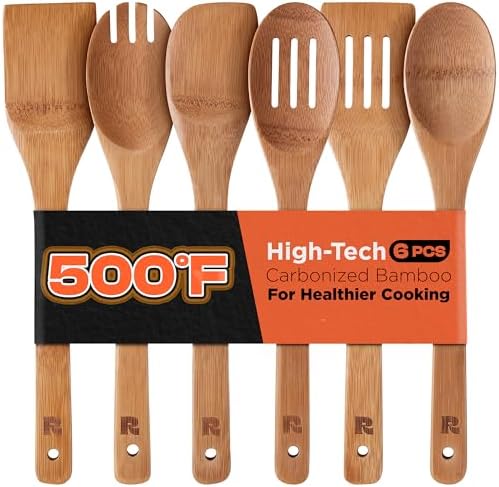
Plastic utensils are slowly disappearing from eco-conscious homes.
Why Bamboo?
- Biodegradable
- Durable
- Lightweight
- Naturally antimicrobial
Bamboo spoons, spatulas, and cutting boards are trending across the USA due to their sustainability and aesthetic appeal.


4. Compost Bins for Kitchen Scraps
Home composting has grown rapidly in urban and suburban America.
Popular Features:
- Odor filters
- Compact countertop size
- Stainless steel options
- Charcoal filter systems
Cities like San Francisco and Seattle actively encourage composting through municipal programs.
5. Reusable Paper Towels
Also called “unpaper towels,” these washable cloth alternatives reduce paper waste significantly.
Advantages:
- Machine washable
- Last for years
- Reduce household spending
- Available in organic cotton
They’re especially popular among minimalist and eco-friendly households.
6. Stainless Steel Water Bottles & Food Containers
Plastic containers can leach chemicals over time.
Switching to stainless steel:
- Eliminates plastic exposure
- Keeps food fresh longer
- Is 100% recyclable
- Lasts decades
Brands like Hydro Flask are widely used in American homes.
7. Eco-Friendly Dishwashing Products
Many US families now prefer:
- Plant-based dish soaps
- Compostable scrubbers
- Biodegradable sponges
Companies such as Seventh Generation focus on non-toxic and environmentally safe formulations.
8. Glass Storage Containers
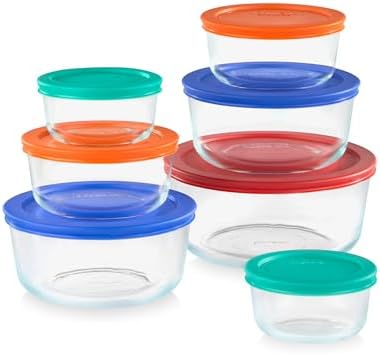
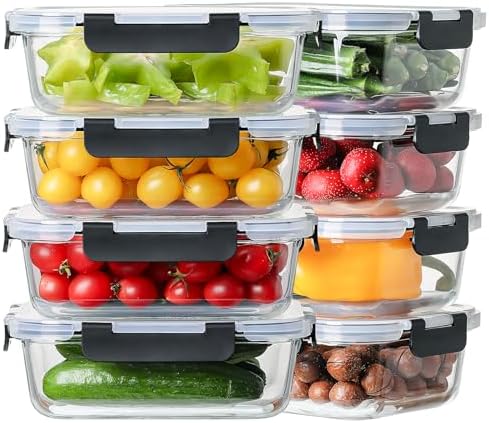
Glass containers are gaining popularity for:
- Microwave safety
- Chemical-free storage
- Durability
- Recyclability
They’re a staple in modern sustainable kitchens.

9. Refillable Cleaning Systems
Refillable systems reduce plastic packaging dramatically.
Consumers purchase:
- Concentrated cleaning tablets
- Refillable spray bottles
- Subscription-based refill systems
This model reduces shipping weight and packaging waste.
10. Energy-Efficient Kitchen Appliances
Eco-friendly kitchens go beyond utensils.
Many Americans now choose:
- Energy Star certified refrigerators
- Induction cooktops
- Smart dishwashers
The Energy Star label helps buyers identify energy-saving appliances.
Benefits of Switching to Eco-Friendly Kitchen Essentials
🌱 Environmental Impact
Reduces landfill waste and ocean plastic.
💰 Cost Savings
Reusable products reduce long-term spending.
🏡 Health Benefits
Fewer toxins and safer food storage.
🌎 Sustainable Living
Encourages responsible consumption.
How to Transition to a Sustainable Kitchen (Step-by-Step)
- Replace one plastic item per month.
- Choose reusable over disposable.
- Support eco-conscious brands.
- Compost organic waste.
- Buy durable, long-lasting materials.
Start small — consistency matters more than perfection.
Final Thoughts
Eco-friendly kitchen essentials are no longer niche products — they are mainstream in the USA. From reusable storage bags to bamboo utensils and energy-efficient appliances, sustainable kitchens are shaping the future of responsible living.
By making simple swaps, you not only reduce waste but also create a healthier home environment.