Living sustainably doesn’t have to be expensive or complicated. In fact, many eco-friendly habits can help you save money while reducing your environmental impact. Small changes in your daily routine can lead to significant savings over time while contributing to a healthier planet.
If you’re looking for practical ways to embrace an eco-conscious lifestyle, these 10 simple habits are a great place to start.
1. Switch to Reusable Water Bottles
Buying bottled water regularly can become surprisingly expensive. A high-quality reusable water bottle can last for years and significantly reduce plastic waste.
Benefits:
- Saves money on bottled water
- Reduces single-use plastic consumption
- Keeps drinks cold or hot for longer

2. Use Reusable Shopping Bags
Plastic bags often end up in landfills or oceans, harming wildlife and ecosystems. Carrying reusable shopping bags is an easy way to reduce waste.
Benefits:
- Eliminates the need for disposable bags
- Durable and long-lasting
- Some stores offer discounts for reusable bags

3. Turn Off Unused Lights and Electronics
Many households waste electricity by leaving lights and devices on when not in use.
Benefits:
- Lowers electricity bills
- Extends the lifespan of appliances
- Reduces energy consumption
Pro Tip:
Use power strips to switch off multiple devices at once and eliminate “phantom power” usage.

4. Choose Energy-Efficient LED Bulbs
LED bulbs use significantly less electricity than traditional incandescent bulbs and last much longer.
Benefits:
- Lower energy bills
- Reduced maintenance costs
- Less environmental impact
5. Wash Clothes in Cold Water
Heating water accounts for a large portion of washing machine energy use. Most clothes can be cleaned effectively with cold water.
Benefits:
- Reduces electricity usage
- Protects fabrics from wear
- Extends clothing lifespan

6. Carry a Reusable Coffee Cup
If you buy coffee regularly, using a reusable cup can save money and reduce disposable cup waste.
Benefits:
- Some cafés offer discounts
- Keeps beverages at the desired temperature
- Reduces paper and plastic waste

7. Reduce Food Waste Through Meal Planning
Food waste is both environmentally harmful and financially costly. Planning meals helps you buy only what you need.
Benefits:
- Saves money on groceries
- Reduces household waste
- Encourages healthier eating habits
Easy Strategy:
Create a weekly meal plan and shopping list before visiting the grocery store.
8. Use Refillable Cleaning Products
Many eco-friendly brands now offer refill systems for household cleaning products.
Benefits:
- Reduces plastic packaging waste
- Often costs less over time
- Minimizes harmful chemical exposure

- HARD STAINS SPRAY: Ecofriendly, No harsh Chemicals used to make up the cleaning. Ecologically safe as they are made from…
- Direction to use: Spray the liquid directly on the stained surface. Wait for 30 seconds and wipe clean with a dry cloth….
- Advanced P3 Formula penetrates the surface & cuts through the deep roots of stains and wipes it away easily without leav…
9. Air-Dry Clothes Whenever Possible
Clothes dryers consume significant energy. Air-drying clothes can reduce electricity usage while preserving fabric quality.
Benefits:
- Lower utility bills
- Longer-lasting clothes
- Reduced carbon footprint

- PROUDLY MADE IN INDIA: We take pride in the fact that all LivingBasics products including this cloth drying stand are ma…
- INVEST RATHER THAN SPEND: We have designed our clothes drying stand also known as cloth hanging stand or rack with stain…
- COLLAPSIBLE & MOVABLE CLOTH DRYER STAND: With a 58 feet of drying space, this 3-layered drying rack/cloth dryer features…
10. Start Composting Kitchen Waste
Composting transforms food scraps into nutrient-rich soil instead of sending waste to landfills.
Benefits:
- Reduces household waste
- Improves garden soil naturally
- Saves money on fertilizers
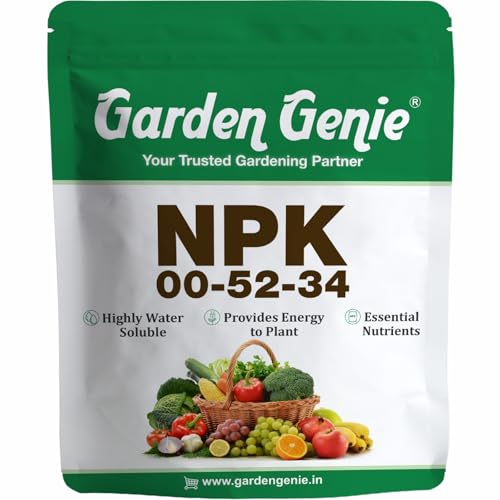
- Improve Soil Structure – It helps in increasing growth of the plant and increases production efficiency.
- Best for Blooming – being rich in Phosphorus and Potash, it is best suitable for pre-bloom as well as post-bloom applica…
- Our N P K 00-52-34 Fertiliser improves crop lustre, colour uniformity and taste of the fruits as well as reduces prematu…
The Financial Impact of Eco-Friendly Living
Many people assume sustainable living is expensive, but these simple habits often save money immediately.
For example:
- Switching to LED bulbs can reduce energy costs.
- Meal planning cuts grocery expenses.
- Reusable products eliminate recurring purchases.
- Reduced energy and water consumption lowers monthly utility bills.
When combined, these habits can save hundreds—or even thousands—of dollars annually.
Final Thoughts
Eco-friendly living isn’t about perfection. It’s about making small, consistent choices that benefit both your wallet and the environment. By adopting even a few of these habits, you can reduce waste, conserve resources, and create a more sustainable future.
Start with one habit today. Over time, these simple changes can have a powerful impact on your finances, your household, and the planet.
Eco-Friendly Habits, Sustainable Living, Green Living, Save Money, Eco-Conscious Lifestyle, Reduce Waste, Sustainable Home, Environmental Tips, Frugal Living, Eco-Friendly Products