Creating an eco-friendly home in India is no longer just a trend — it is becoming a smart lifestyle choice. Rising electricity bills, water scarcity, pollution, and increasing awareness about sustainability are encouraging Indian families to adopt greener living habits.
The good news is that building an eco-friendly home does not always require huge investments. Small changes in daily habits, home design, appliances, and product choices can significantly reduce your carbon footprint while saving money in the long run.
Whether you live in an apartment in Bhubaneswar, a villa in Bengaluru, or an independent house in Mumbai, this step-by-step guide will help you create a sustainable and eco-friendly home in India.
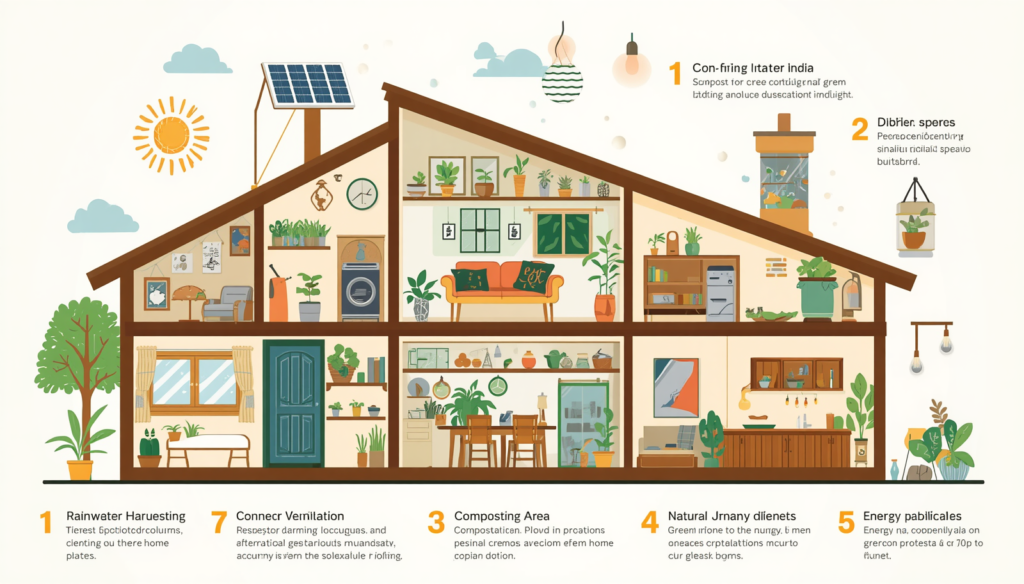
Why Choose an Eco-Friendly Home?
An eco-friendly home helps you:
- Reduce electricity and water bills
- Improve indoor air quality
- Minimize waste generation
- Use natural and non-toxic products
- Reduce environmental impact
- Create a healthier lifestyle for your family
- Increase long-term property value
In India’s climate conditions, sustainable living can also help tackle extreme heat, humidity, and water shortages more effectively.
Step 1: Optimize Natural Light & Ventilation 🌞
One of the easiest ways to make your home eco-friendly is by reducing dependence on artificial lighting and cooling systems.
Tips
Use Natural Sunlight
- Keep windows open during the day
- Use light-colored curtains and walls
- Place mirrors strategically to reflect sunlight
Improve Airflow
Cross ventilation reduces the need for ACs and coolers.
- Install larger windows
- Use ventilated doors
- Keep furniture away from airflow paths
Add Indoor Plants
Plants naturally purify air and improve oxygen levels.
Popular indoor plants in India:
- Snake Plant
- Areca Palm
- Money Plant
- Peace Lily
- Aloe Vera
Benefits
- Lower electricity usage
- Fresher indoor environment
- Reduced cooling costs
Step 2: Switch to Energy-Efficient Appliances ⚡
Electricity consumption is one of the biggest contributors to household carbon emissions.
Replace Old Appliances
Choose:
- 5-star rated refrigerators
- Inverter ACs
- Energy-efficient washing machines
- LED bulbs
- Smart fans
Why LEDs Matter
LED bulbs consume up to 80% less electricity than traditional bulbs and last much longer.
Smart Energy Habits
- Turn off unused appliances
- Unplug chargers
- Use smart power strips
- Run washing machines with full loads
Step 3: Install Solar Energy Systems ☀️
India receives abundant sunlight throughout the year, making solar power a great investment.


Solar Options for Indian Homes
Rooftop Solar Panels
Best for:
- Independent houses
- Villas
- Farmhouses
Solar Water Heaters
Perfect for reducing geyser electricity usage.
Solar Outdoor Lights
Ideal for:
- Gardens
- Balconies
- Pathways
Benefits
- Lower electricity bills
- Government subsidies in India
- Reduced carbon footprint
- Long-term savings
Step 4: Save Water Efficiently 💧
Water conservation is becoming critical in many Indian cities.
Install Water-Saving Fixtures
Use:
- Low-flow taps
- Dual-flush toilets
- Water-efficient shower heads
Rainwater Harvesting
Rainwater harvesting helps store rainwater for:
- Gardening
- Cleaning
- Groundwater recharge
Reuse Greywater
Water from washing vegetables or clothes can be reused for gardening and cleaning.
Daily Water Saving Habits
- Fix leaks immediately
- Turn off taps while brushing
- Use buckets instead of long showers
Step 5: Choose Sustainable Furniture & Decor 🌿
Eco-friendly interiors create a natural and healthier living space.


Best Eco-Friendly Materials
Bamboo
Fast-growing and highly sustainable.
Reclaimed Wood
Reduces deforestation and gives rustic aesthetics.
Natural Fabrics

Use:
- Cotton
- Jute
- Linen
- Hemp
Avoid
- Plastic-heavy furniture
- Toxic paints
- Synthetic materials
Step 6: Reduce Plastic Usage 🚫
Plastic waste is a major environmental issue.
Eco Alternatives
Replace plastic items with:
- Steel bottles
- Glass containers
- Cloth shopping bags
- Bamboo toothbrushes
- Wooden kitchen items
Kitchen Sustainability Tips
- Store grains in glass jars
- Avoid disposable plates and cups
- Buy groceries in bulk
Step 7: Create a Green Kitchen 🍃
The kitchen generates a significant amount of waste.


Compost Kitchen Waste
Convert:
- Vegetable peels
- Fruit waste
- Tea leaves
into organic compost for plants.
Use Eco-Friendly Cleaning Products
Switch to:
- Vinegar cleaners
- Baking soda solutions
- Herbal dishwashing liquids
Grow Kitchen Herbs
Start a mini herb garden with:
- Mint
- Coriander
- Curry leaves
- Tulsi
Step 8: Start Home Gardening 🌱
Even small apartments can support greenery.
Best Options
- Balcony gardens
- Vertical gardens
- Terrace gardens
- Indoor plant corners
Benefits
- Better air quality
- Cooler home temperatures
- Fresh vegetables and herbs
- Stress reduction
Step 9: Waste Segregation & Recycling ♻️
Proper waste management is essential for sustainable living.
Segregate Waste into:
Wet Waste
Food scraps and organic waste.
Dry Waste
Paper, plastic, metal, glass.
E-Waste
Old electronics, batteries, chargers.
Recycling Tips
- Donate old clothes
- Recycle newspapers
- Use refill products
Step 10: Adopt Minimalist Living 🧘
Sustainability is not only about products — it is also about mindful consumption.
Ask Before Buying
- Do I really need this?
- Is it reusable?
- Is it durable?
- Is it eco-friendly?
Benefits of Minimalism
- Less clutter
- Lower expenses
- Reduced waste
- More peaceful living
Budget-Friendly Eco-Friendly Home Ideas in India
You do not need a luxury budget to live sustainably.
Low-Cost Changes
- Replace bulbs with LEDs
- Use cloth bags
- Install indoor plants
- Reuse containers
- Dry clothes naturally
- Reduce food waste
Medium Budget Upgrades
- Energy-efficient appliances
- Water-saving taps
- Compost bins
- Bamboo furniture
Premium Eco Investments
- Solar panels
- Rainwater harvesting
- Smart home automation
- Sustainable architecture
Common Mistakes to Avoid
Buying “Greenwashed” Products
Not every product labeled “eco-friendly” is truly sustainable.
Ignoring Energy Ratings
Always check star ratings before purchasing appliances.
Overconsumption
Buying unnecessary eco-products can still create waste.
Poor Waste Segregation
Recycling becomes ineffective without proper separation.
Future of Eco-Friendly Homes in India 🇮🇳
India is rapidly moving toward sustainable living through:
- Smart city initiatives
- Solar adoption
- EV infrastructure
- Green buildings
- Sustainable architecture
Many homeowners are now combining:
- Solar energy
- Rainwater harvesting
- Organic gardening
- Smart automation
to create self-sustaining homes.
Final Thoughts
Creating an eco-friendly home in India is a gradual journey, not a one-time project. Start with small changes and slowly build sustainable habits over time.
Even simple actions like using LED lights, saving water, reducing plastic usage, and growing indoor plants can make a major difference.
A greener home not only protects the environment but also creates a healthier, calmer, and more cost-efficient lifestyle for you and your family.
Sustainable living starts at home — and every small step counts. 🌍