In today’s fast-paced world, many people spend their days rushing from one task to another, often without realizing how shallow and rushed their breathing has become. Yet breathing is one of the most powerful tools available for improving physical health, mental clarity, and emotional balance.
For thousands of years, cultures around the world have used conscious breathing practices to enhance vitality, calm the mind, and foster a deeper connection with life. Modern research is now confirming what ancient traditions have long understood: the way we breathe directly influences our nervous system, stress levels, focus, sleep quality, and overall well-being.
The best part? Your breath is always available, completely free, and requires no special equipment.
Let’s explore how breathing exercises can help heal your body, mind, and spirit naturally.
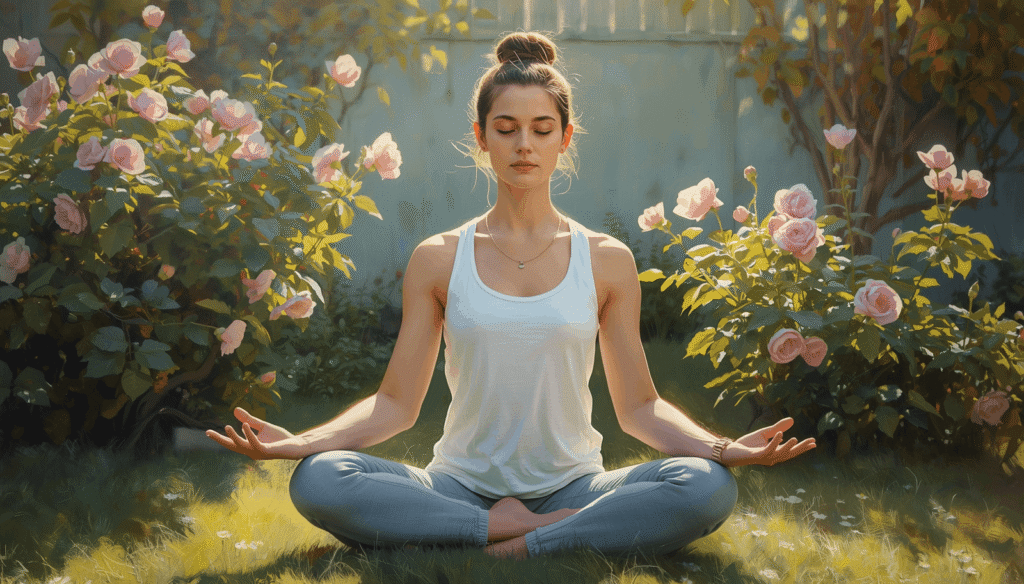
Why Breath Matters
Breathing is much more than simply taking in oxygen. Every breath sends signals throughout your body.
When breathing is shallow and rapid, the body often interprets it as a sign of stress or danger. This activates the sympathetic nervous system, commonly known as the “fight-or-flight” response.
On the other hand, slow and mindful breathing activates the parasympathetic nervous system, often called the “rest-and-digest” system. This promotes relaxation, recovery, and healing.
Regular breathing exercises may help:
- Reduce stress and anxiety
- Improve concentration and mental clarity
- Lower heart rate
- Support healthy sleep
- Increase oxygen delivery
- Enhance emotional resilience
- Promote a sense of inner peace
Benefits for the Body
1. Supports Healthy Oxygen Flow
Deep breathing allows the lungs to expand fully, helping the body receive oxygen more efficiently.
Proper oxygen delivery supports:
- Cellular function
- Energy production
- Physical endurance
- Overall vitality
2. Relaxes Muscle Tension
Stress often causes muscles in the neck, shoulders, and back to tighten.
Slow breathing encourages relaxation and can help release accumulated tension throughout the body.
3. Supports Heart Health
Research suggests that slow breathing may help regulate heart rate and improve heart rate variability, an important indicator of nervous system balance.
4. Encourages Better Sleep
Many people struggle with racing thoughts before bedtime.
Practicing mindful breathing for just a few minutes before sleep can help the body transition into a more relaxed state.
Benefits for the Mind
1. Reduces Stress
Breathing exercises are among the simplest natural methods for managing daily stress.
When you focus on your breath, the mind shifts away from worries and becomes anchored in the present moment.
2. Improves Focus
Conscious breathing can enhance concentration by calming mental distractions and improving awareness.
Many athletes, leaders, and meditators use breathwork to improve performance and focus.
3. Supports Emotional Balance
Strong emotions often influence breathing patterns.
By intentionally slowing the breath, you can create a greater sense of emotional stability and resilience.
Benefits for the Spirit
Whether viewed through a spiritual, mindfulness, or personal growth perspective, conscious breathing can help cultivate a deeper connection with yourself and the world around you.
Many people report:
- Greater inner peace
- Enhanced mindfulness
- Increased gratitude
- A stronger sense of presence
- Improved connection with nature
Breathing becomes a bridge between the body and the present moment.

5 Healing Breathing Exercises
1. Deep Belly Breathing
Also known as diaphragmatic breathing.
How to Practice
- Sit comfortably or lie down.
- Place one hand on your chest and one on your abdomen.
- Inhale slowly through the nose.
- Allow the belly to expand.
- Exhale gently through the nose.
Duration
5–10 minutes daily.
Benefits
- Relaxes the nervous system
- Reduces tension
- Supports calmness
2. Box Breathing
Popular among athletes and professionals who need focus under pressure.
Steps
- Inhale for 4 seconds.
- Hold for 4 seconds.
- Exhale for 4 seconds.
- Hold for 4 seconds.
Repeat for several cycles.
Benefits
- Enhances concentration
- Promotes emotional control
- Reduces stress
3. Alternate Nostril Breathing
A traditional yogic breathing technique.
Steps
- Sit comfortably.
- Close the right nostril and inhale through the left.
- Close the left nostril and exhale through the right.
- Inhale through the right.
- Exhale through the left.
Continue for 3–5 minutes.
Benefits
- Encourages mental balance
- Supports relaxation
- Enhances mindfulness
4. Extended Exhalation Breathing
A longer exhalation helps signal safety and relaxation to the body.
Steps
- Inhale gently for 4 counts.
- Exhale slowly for 6–8 counts.
Repeat for several minutes.
Benefits
- Calms the nervous system
- Supports relaxation
- Useful before sleep
5. Nature Breathing
A simple breathing practice performed outdoors.
Steps
- Sit in a garden, park, or natural environment.
- Breathe slowly and naturally.
- Observe sounds, sights, and sensations.
- Focus fully on each breath.
Benefits
- Encourages mindfulness
- Reduces mental fatigue
- Strengthens connection with nature
Creating a Daily Breathing Habit
Consistency matters more than duration.
A simple routine:
Morning (5 Minutes)
- Deep Belly Breathing
Midday (2 Minutes)
- Box Breathing
Evening (5 Minutes)
- Extended Exhalation Breathing
This simple practice can help bring more calm, focus, and balance into daily life.
Important Safety Note
Breathing exercises are generally safe for most healthy individuals. However, people with respiratory conditions, cardiovascular conditions, or other medical concerns should consult a qualified healthcare professional before starting any new wellness practice.
Breathing exercises should complement—not replace—professional medical care when needed.
Final Thoughts
Your breath is one of nature’s most powerful wellness tools. Every mindful breath creates an opportunity to slow down, reconnect, and support your physical, mental, and emotional well-being.
By dedicating just a few minutes each day to conscious breathing, you can cultivate greater calm, clarity, resilience, and inner balance. In a world filled with constant distractions, the simple act of breathing mindfully may be one of the most profound steps toward healing your body, mind, and spirit.
Take a deep breath. Slow down. Be present. Healing often begins with the next breath